













How to Reduce Loading Dock Accidents: 5 Equipment Upgrades That Make a Difference
Loading docks are among the most dangerous areas in any warehouse or distribution center. According to OSHA, approximately 25% of all warehouse injuries occur at the loading dock, with forklift accidents, falls, and trailer separation incidents leading the statistics. These accidents don’t just put your workers at risk—they cost your operation thousands in workers’ compensation claims, equipment damage, and lost productivity.
The good news? Most loading dock accidents are preventable with the right equipment upgrades. While proper training and safety protocols are essential, investing in modern dock equipment creates physical barriers that protect your team even when human error occurs.
Let’s look at five critical equipment upgrades that can dramatically reduce accidents at your loading dock.
1. Vehicle Restraints: Stop Trailer Creep Before It Happens
Trailer creep—when a truck pulls away from the dock prematurely or rolls backward during loading—is one of the most dangerous situations at any loading dock. Forklifts can fall into the gap between the dock and trailer, or workers can be caught between equipment. Every year, dozens of workers are seriously injured or killed in trailer separation incidents.
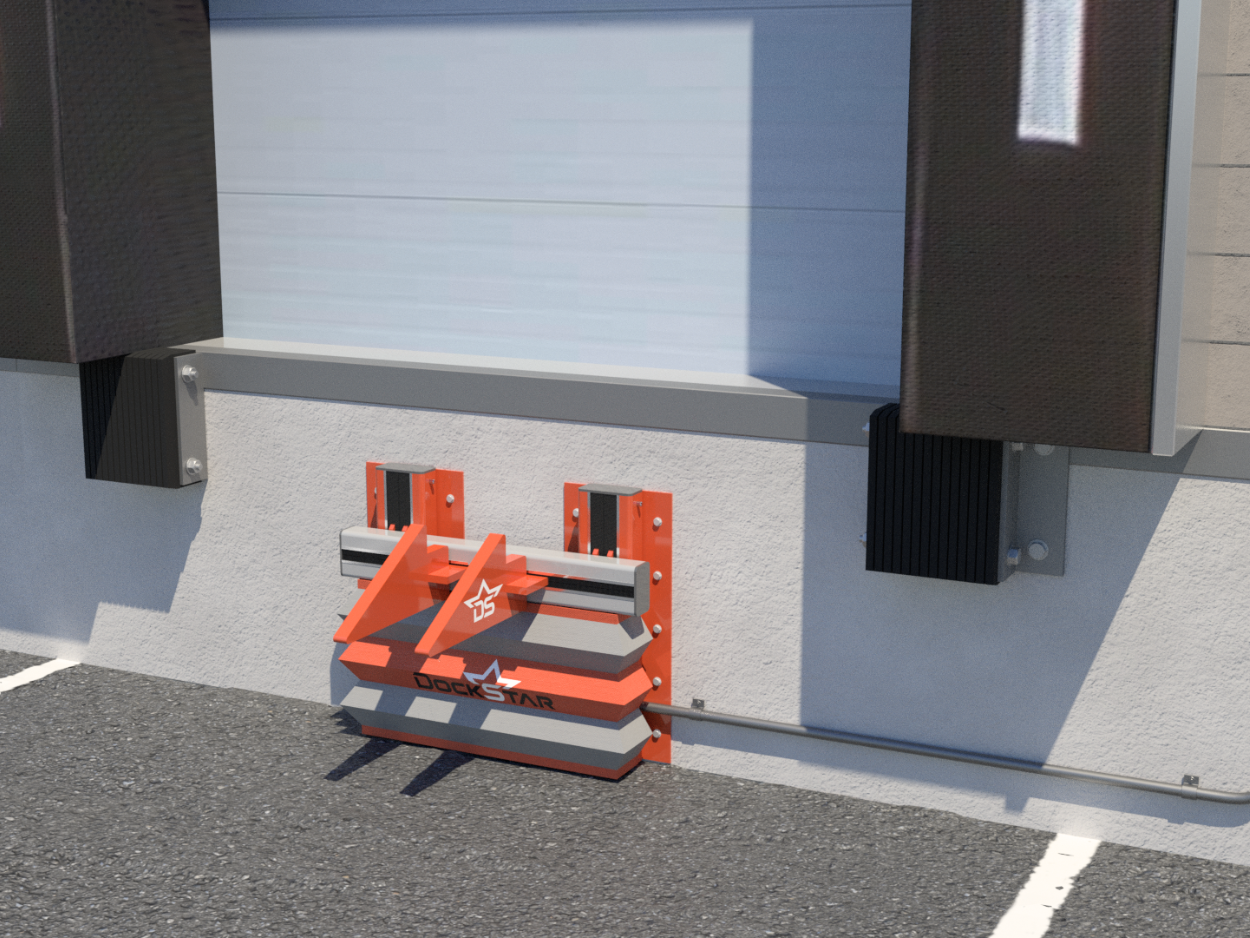
Wheel chocks alone aren’t enough. They can be forgotten, improperly placed, or simply fail when trailers are heavily loaded. Modern vehicle restraints provide a mechanical connection between your dock and the trailer, preventing movement even if the driver attempts to pull away.

These systems work by engaging the trailer’s rear impact guard (ICC bar) and physically locking it in place. Most systems include visual communication lights that show both the forklift operator and truck driver when it’s safe to load or leave. Some advanced models even integrate with your dock leveler, preventing it from operating unless the trailer is properly secured.
The return on investment is clear. A single forklift accident can cost upwards of $50,000 in medical bills, equipment damage, and downtime. Vehicle restraints typically pay for themselves after preventing just one incident.
For facilities working with tighter budgets, wheel chock safety systems offer an affordable first step toward preventing trailer creep and premature departure. DockStar Industrial’s complete wheel chock packages include heavy-duty chocks, wall-mounted brackets with zinc-plated chains to prevent loss, and bright yellow caution signs visible to drivers both directly and in their mirrors as they back up. Using two chocks per loading position provides basic trailer stabilization at a fraction of the cost of mechanical restraint systems, making them an accessible safety upgrade for operations looking to improve dock safety without major capital investment.

2. Modern Dock Levelers: Bridge the Gap Safely
Older or poorly maintained dock levelers create multiple hazard points—lips that don’t extend properly leave dangerous gaps, worn springs cause sudden drops, and manual operation strains workers’ backs. Upgrading to modern levelers eliminates these risks while improving operational efficiency.
DockStar Industrial offers dock levelers for every application:
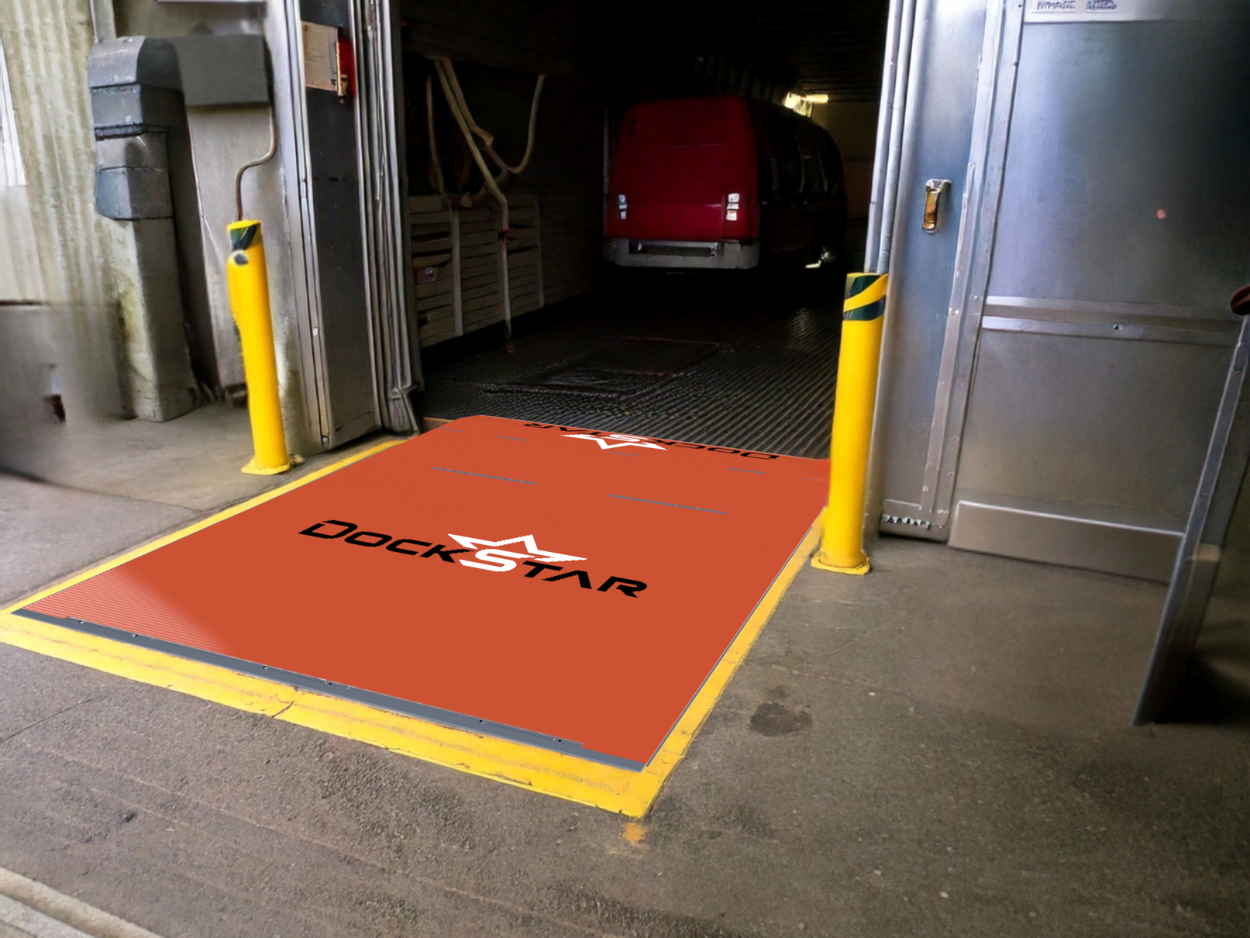
Tri-Pivot™ Dock Leveler – The premium solution for high-traffic operations and heavy-duty applications. This innovative design features three adjustable pivot points that eliminate gaps and uneven transitions, reducing “dock shock” that damages equipment and endangers workers. The 80% aluminum platform with extruded cross members provides superior strength with significantly fewer welds than traditional steel models. The industry-first lay-flat lip creates seamless trailer interface, while the extended loading platform (up to 48″) ensures smooth transitions. Ideal for facilities running heavy loads, multiple shifts, or demanding industrial applications like steel and paper operations.

Hydraulic Dock Levelers – Perfect for high-volume operations that need effortless push-button control. Built with robust J-beam construction and advanced hydraulic cylinders, these levelers maximize efficiency while reducing maintenance needs compared to mechanical alternatives. Best for busy facilities looking to speed up truck turnaround times.

Edge-of-Dock Levelers – Space-saving solutions that mount directly to the dock face without requiring a pit. Perfect for facilities with limited space, consistent trailer bed heights, or situations where pit installation isn’t practical. These provide a simple, user-friendly alternative to traditional dock plates while improving safety and efficiency.

All DockStar levelers include essential safety features like maintenance struts that lock platforms during service, proper lip extension to eliminate dangerous gaps, and options for integrated LED lighting and vehicle restraint systems.
Where to find dock levelers: DockStar Industrial manufactures the complete range of dock levelers with factory-direct service and support.
3. Dock Seals and Bumpers: Prevent the Hidden Hazards
When most people think about dock safety, they focus on the obvious hazards—falling off edges or getting hit by forklifts. But dock seals and bumpers play a crucial role in preventing accidents that stem from environmental conditions.
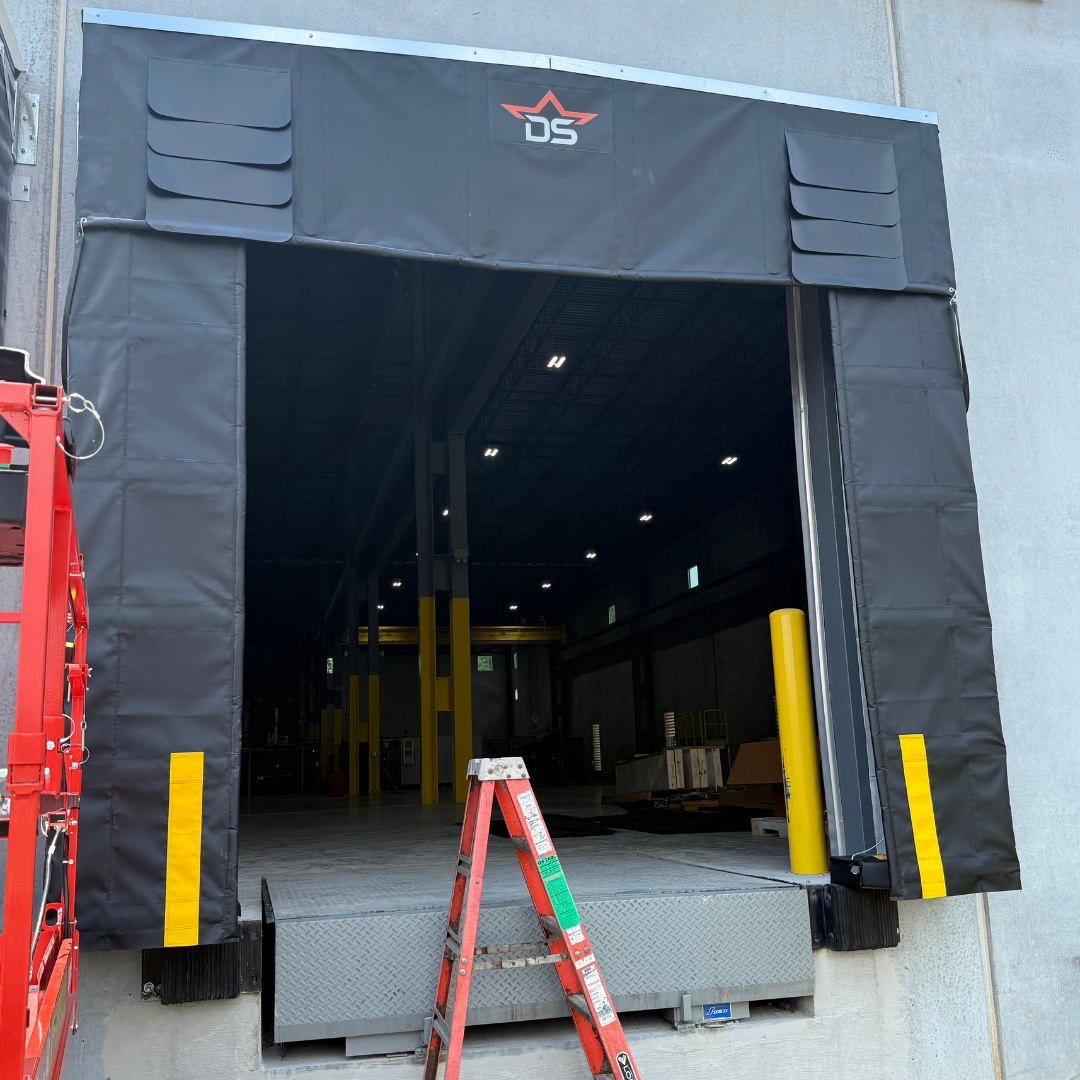
Proper dock seals create a tight connection between your building and the trailer, keeping out rain, snow, and ice that can create slippery surfaces inside your facility. They also prevent cold air infiltration that leads to condensation on your dock floor—one of the leading causes of slip-and-fall accidents.

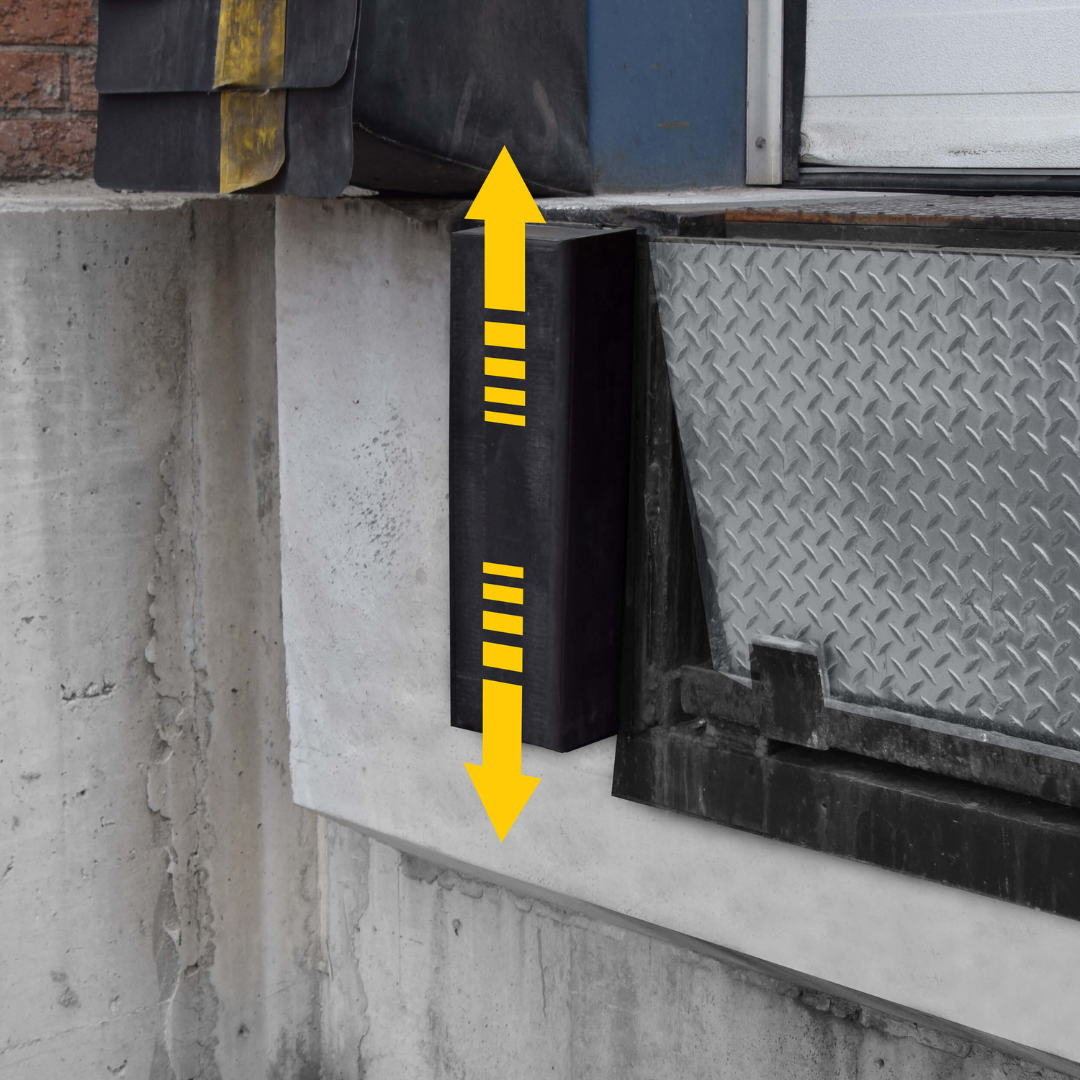
Dock bumpers might seem like a minor detail, but they serve several critical safety functions. First, they position the trailer at the correct distance from your dock, ensuring your leveler lip can extend properly without creating gaps. Second, they absorb impact when trucks back in, protecting your building structure and dock equipment from damage. Third, quality bumpers last longer and maintain their shape, providing consistent positioning over thousands of loading cycles.

When your dock seal fails or your bumpers are worn down, trailers end up too far from the dock or misaligned. This creates gaps that forklifts can slip into and forces levelers to operate at extreme angles—both dangerous situations.
Where to find dock seals and bumpers: DockStar Industrial offers commercial-grade dock seals and durable laminated dock bumpers designed for high-traffic facilities.
4. Improved Lighting: See Dangers Before They Happen
Poor visibility is a contributing factor in countless loading dock accidents. Trailers create dark shadows on the dock face. Backing trucks block overhead lighting. Workers moving between dark trailers and bright warehouses suffer from temporary vision adjustment that can cause them to miss hazards.
Upgrading your loading dock lighting isn’t glamorous, but it’s one of the most cost-effective safety improvements you can make. Dedicated dock lights mounted at each door illuminate the gap between the dock and trailer—the exact spot where the most dangerous transitions happen.

LED technology has transformed dock lighting. Modern LED fixtures provide bright, even illumination while using a fraction of the energy of old halogen or incandescent lights. They also last 10-15 years without replacement, eliminating maintenance headaches.
Consider motion-activated or automatically triggered lights that turn on when a trailer docks. This ensures maximum visibility during loading operations without wasting energy when docks sit empty. Some facilities also benefit from trailer interior lights that illuminate the inside of trucks, making it easier for forklift operators to see pallets and obstacles.

Better lighting helps workers spot spills, identify damaged pallets before they’re loaded, see edge hazards, and navigate safely around equipment. It’s a simple upgrade that makes everything else work better.
5. Dock Safety Barriers: Your Last Line of Defense
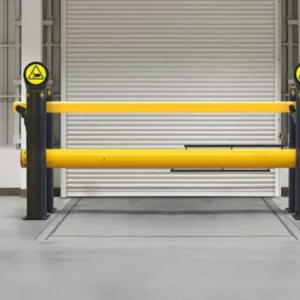
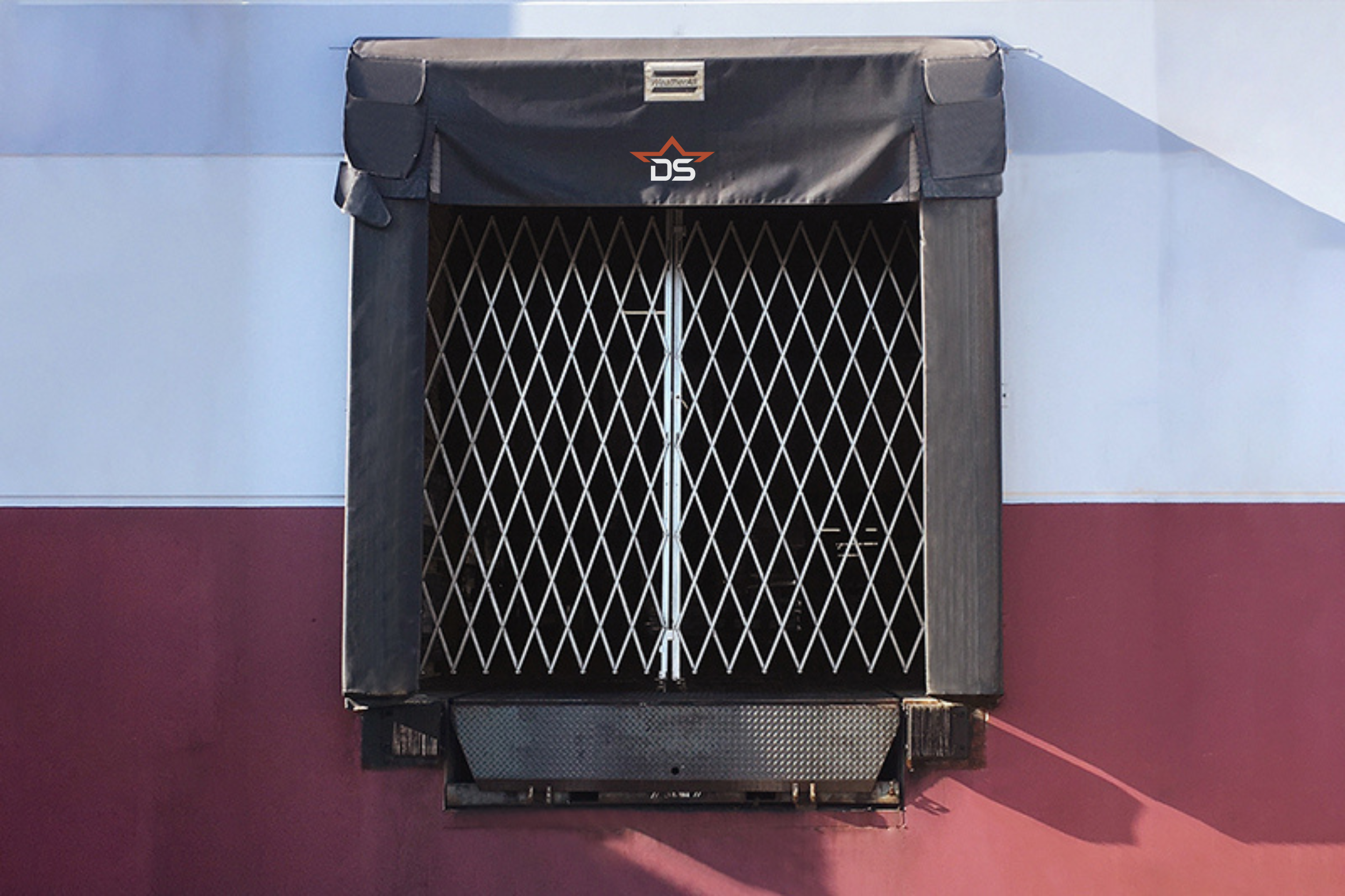
Even with vehicle restraints, there’s always a chance something goes wrong—a restraint fails, a driver doesn’t wait for the all-clear, or equipment malfunctions. Dock safety barriers act as a physical last line of defense, preventing forklifts and workers from falling off the edge of the dock.
Traditional chain barriers are better than nothing, but they won’t stop a forklift moving at speed. Modern safety barriers use reinforced materials and can withstand significant impact. They deploy quickly when a truck pulls away and retract automatically when a new trailer docks.

Some systems integrate with your vehicle restraint, automatically lowering when the restraint engages and raising when the trailer is released. This removes the human element—workers don’t have to remember to deploy the barrier because it happens automatically.
For facilities with high dock doors or edge-of-dock levelers, loadind dock safety barriers are especially critical. A fall from dock height can cause serious injury or death. The barrier creates a physical reminder that the trailer is gone and prevents accidents during those critical moments when workers are distracted or moving quickly.
The Complete Safety System Approach
The most effective loading dock safety strategies don’t rely on a single piece of equipment. They combine multiple layers of protection that work together.
A complete safety system includes:
- Vehicle restraints that prevent trailer separation
- Modern dock levelers that eliminate gaps and steep transitions
- Dock seals that keep surfaces dry and visible
- Quality bumpers that position trailers correctly
- Adequate lighting that eliminates blind spots
- Safety barriers that protect edges when trailers depart
When these elements work together, they create redundant safety measures. If one layer fails, others are there to prevent accidents.
Making the Business Case for Safety Upgrades
Safety equipment isn’t an expense—it’s an investment that pays returns in multiple ways. Beyond the obvious benefit of protecting your team, consider these financial impacts:
Reduced insurance premiums: Many insurers offer discounts for facilities with modern safety equipment. Document your upgrades and contact your provider about potential savings.
Lower workers’ comp costs: Fewer accidents mean lower experience modification rates and reduced premiums over time.
Increased productivity: Modern equipment works faster and more efficiently. Hydraulic levelers speed up truck turnaround. Vehicle restraints with automatic systems eliminate waiting time. Better lighting helps operators work faster with confidence.
Reduced equipment damage: Proper bumpers and restraints protect your dock structure, levelers, and other equipment from impact damage that can cost thousands to repair.
Improved employee retention: Workers notice when you invest in their safety. Modern, well-maintained facilities attract and retain quality employees in a competitive labor market.
Avoided litigation: A serious loading dock accident can result in lawsuits that cost hundreds of thousands of dollars and damage your company’s reputation.
When you calculate the true cost of accidents versus the cost of prevention, the math is clear. Most facilities can upgrade their essential safety equipment for less than the cost of a single serious accident.


