













7 Loading Dock Safety Tips and Checklist – New For 2025
A busy loading dock should move fast without feeling risky.
The reality is that most incidents—falls from the dock edge, forklift strikes, trailer creep, slips, door failures—are preventable with a few non-negotiables.
Below are practical steps you can roll out immediately, written to line up with the exact questions people search, like “What are the safety guidelines for loading docks?”, “What are the OSHA requirements?”, and “What is the safety checklist for loading and unloading?”
Safety Guidelines for Loading Docks (Quick Checklist)
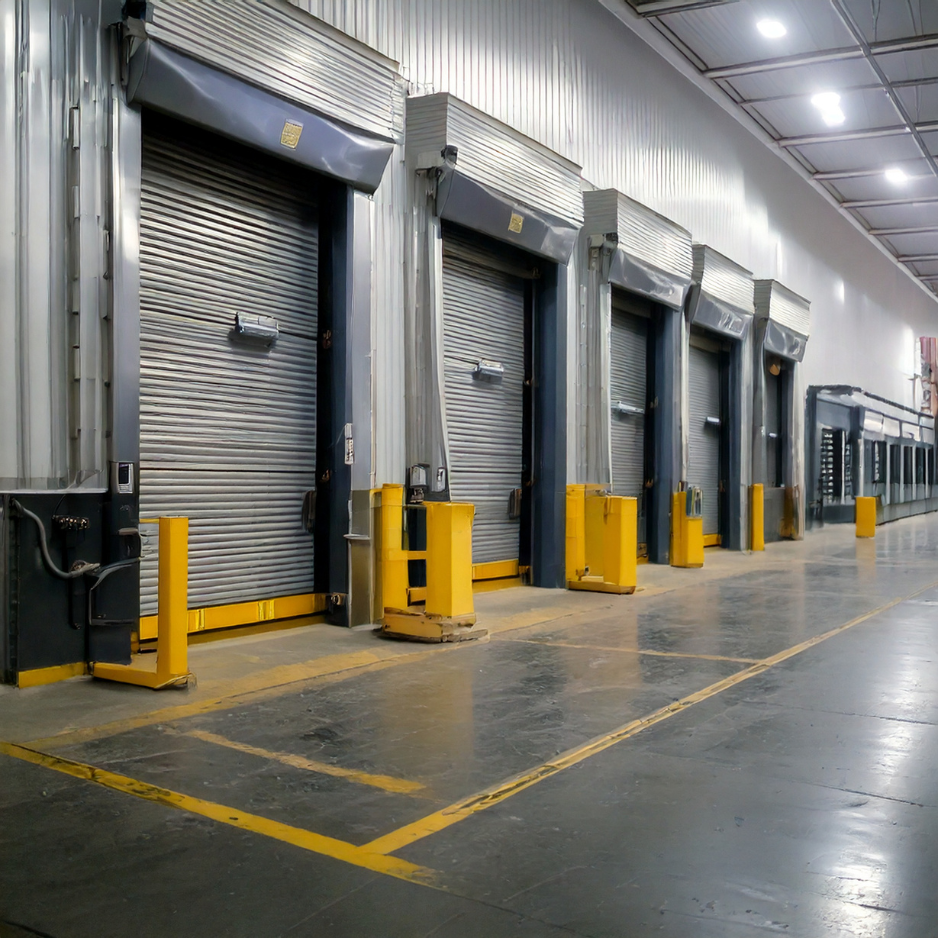
- Separate pedestrians and powered equipment with marked walkways, guardrails, and bollards.
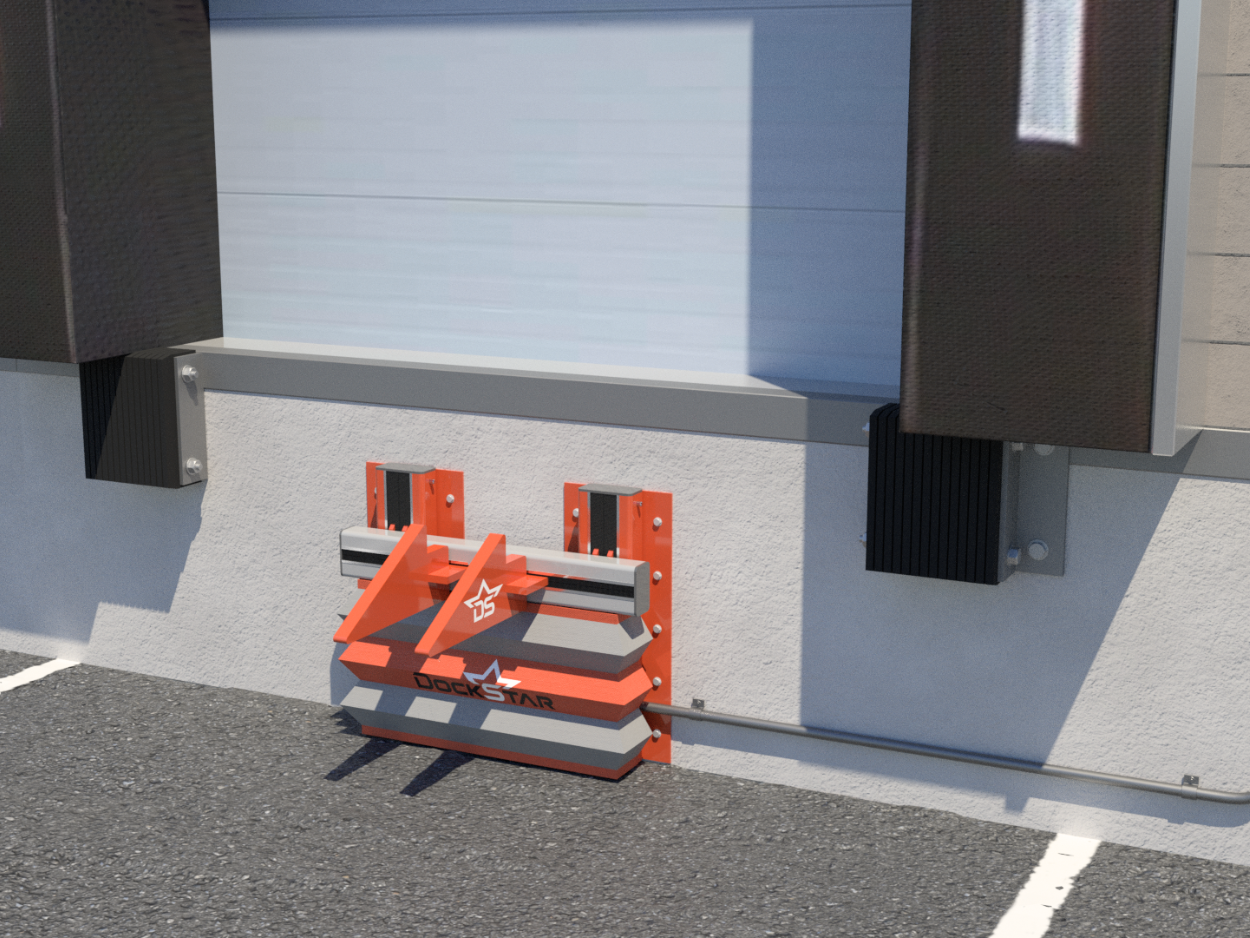
- Control trailers with vehicle restraints; confirm a green light before anyone enters.
- Keep surfaces dry and high-traction; clean spills right away.
- Light the approach, pit, and trailer interior with bright LED task lights.
- Require PPE: high-visibility vests, safety shoes, eye/ear protection where needed.
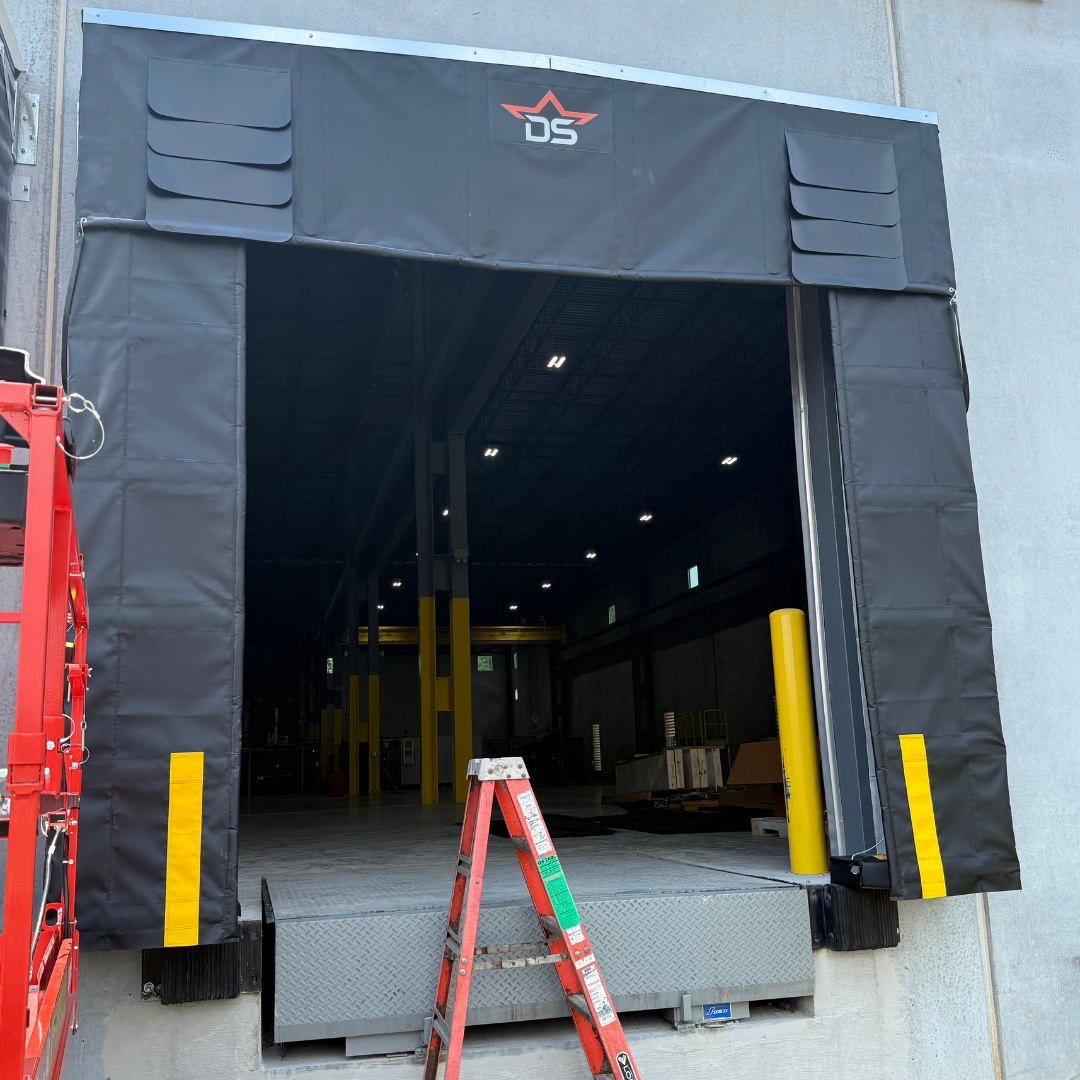
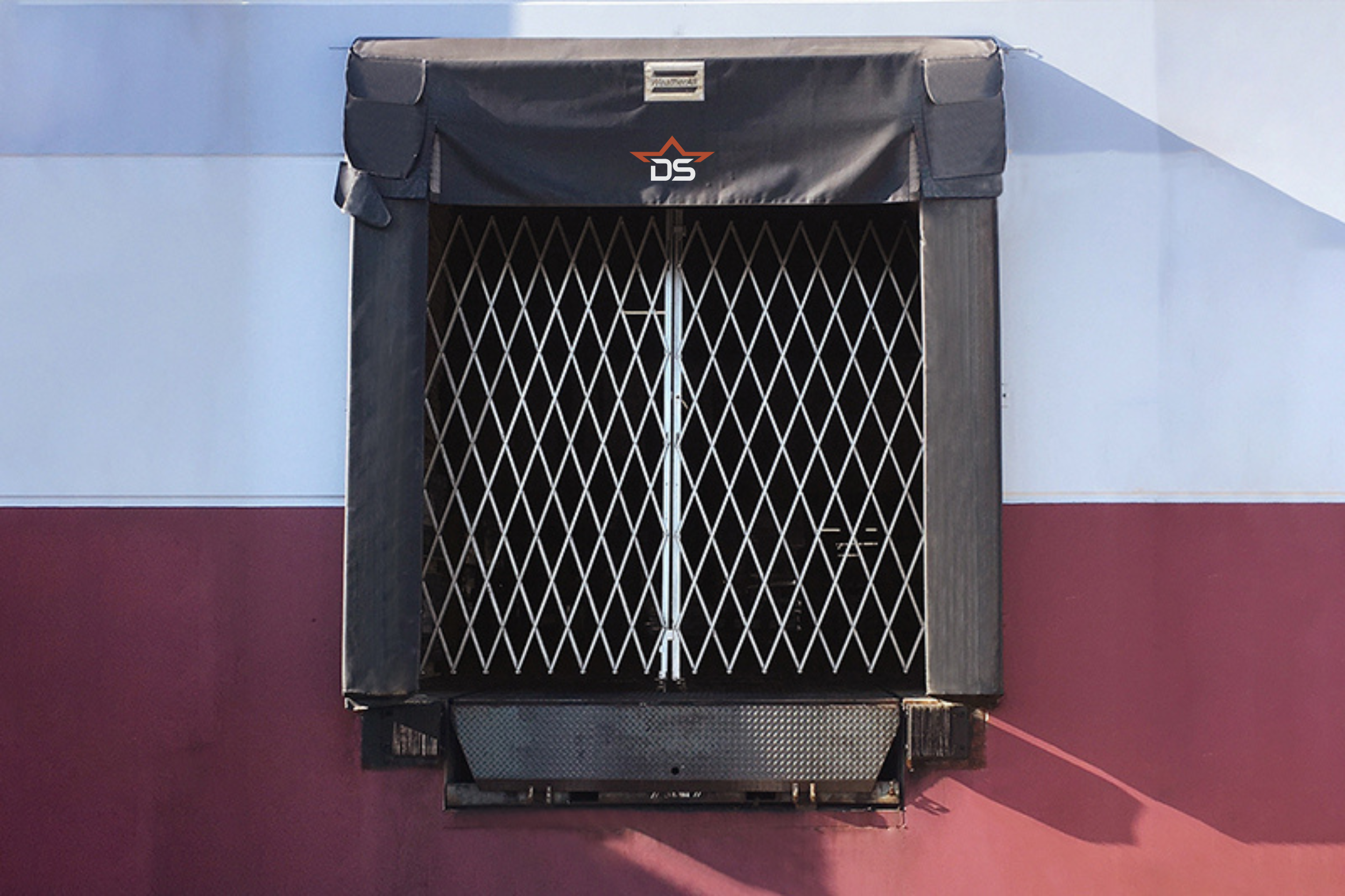
- Maintain dock levelers, rolling dock doors, dock seals/shelters, truck restraints, and bumpers on a schedule.
- Train continuously and encourage near-miss reporting without blame.
These guidelines anchor everything that follows.
What Is Most Likely to Cause an Injury at a Loading Dock?
Common injury drivers include:
- Unsecured trailers (creep, walk-off, or early departure).
- Falls from the dock edge or uneven gaps between the leveler and the trailer bed.
- Struck-by incidents involving forklifts or trucks during tight turns and backing.
- Slips and trips from water, oil, condensation, or debris.
- Collapsed pallets or shifting loads inside trailers.
- Door or leveler failures due to neglected maintenance.
Target these risks first and your incident rate drops fast.
Loading Dock Safety — By the Numbers
- Forklifts were the source of 67 work-related deaths in 2023 and 24,960 non-fatal cases (2021–2022). NSC Injury Facts
- Nearly 6,600 employees missed work in 2018 due to injuries on loading docks, dock plates, and ramps. Safety+Health
- About 7% of forklift accidents involve a truck going off a dock edge. Safeopedia
1) Engineer Traffic Flow Instead of “Managing” It
Forklifts, pallet jacks, and pedestrians crossing paths is a recipe for close calls.
- Mark one-way forklift lanes and dedicated pedestrian “green routes.”
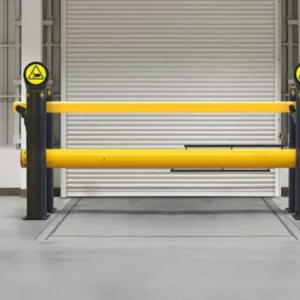
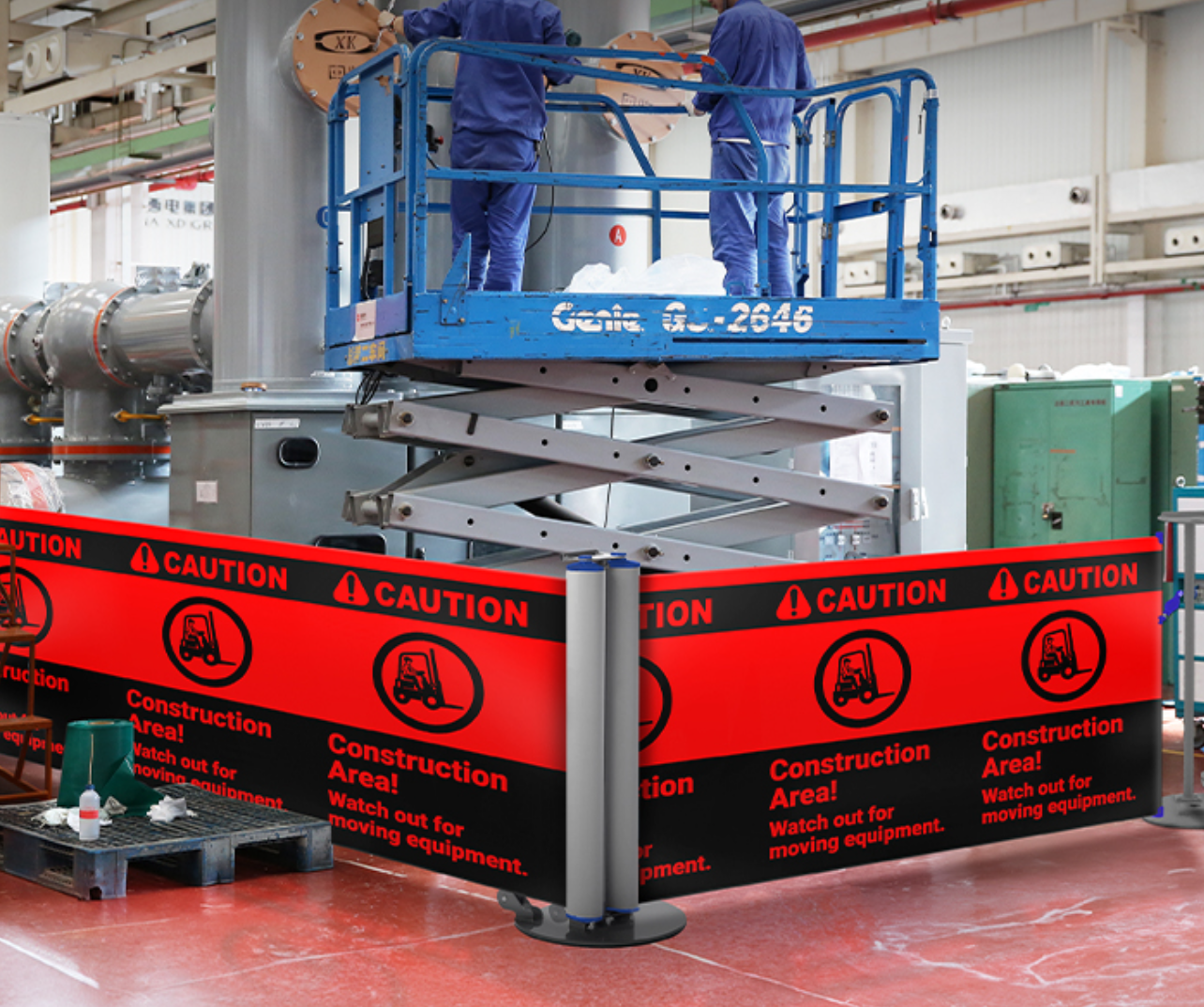
- Use polymer guardrails and bollards at doorways and corners; they absorb impact without wrecking floors.
- Hang mirrors at blind intersections and add audible and visual forklift alerts.
- Review flow every quarter—volumes change, layouts should too.
Extra tip: Bluetooth beacons or simple motion sensors can reveal your true bottlenecks in a week.
2) Treat Trailer Restraints as Your First Line of Defense
Wheel chocks alone aren’t enough on busy docks. A restraint that grabs the ICC bar or rear wheel removes guesswork.
- Interlock restraints with dock levelers and door controls: the leveler won’t deploy until the trailer is pinned and you’ve got a green light inside and out.
- Train drivers on brake set, engine off, keys on dash—and make the sequence part of your signage.
- Pull-test annually and inspect hooks/locks weekly.
If a spotter can’t point to a green light, nobody should be inside the trailer.
3) Keep a “Zero-Slip” Surface Policy
Slippery is silent and fast.
- Choose levelers with aggressive anti-skid deck patterns; aluminum tread plates resist corrosion and stay grippy.
- Place absorbent kits at each bay (granules, pads, scraper). Enforce a 10-minute spill rule: cordon off and reroute if cleanup can’t finish in ten.
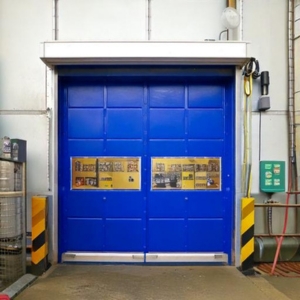
- For cold storage, stop condensation with tight dock seals/shelters, high-speed doors, and humidity control.
4) Light Every Corner—Approach, Pit, and Trailer
Better lighting reduces missteps, misreads, and product damage.
- Upgrade to LED high-bays indoors and LED floods outside; they’re brighter and cheaper to run.
- Add articulating trailer lights at each door.
- Clean lenses quarterly; dusty fixtures lose a surprising amount of output.
5) Make PPE Compliance Easy (So People Actually Wear It)
- Issue breathable, reflective vests and comfortable hearing protection (Bluetooth models keep radios hands-free).
- Color-code vests for roles—visitors, drivers, associates—so supervisors can spot non-compliance instantly.
- Post clear rules at every bay: “No visibility, no entry.”
6) Service Dock Equipment Like Rolling Stock
A quiet hinge or cylinder isn’t “fine”—it’s uninspected.
- Keep a PM log for each leveler, restraint, door, and seal/shelter.
- Lubricate pivot points per manufacturer intervals; torque anchor bolts on rails/bollards quarterly.
- Inspect hydraulic hoses for leaks and abrasion; replace at the first sign of aging.
- Test door balance and safety devices (photo eyes, edge sensors).
- Track everything in a simple CMMS to prove work and trigger reminders.
7) Build a Culture Where Everyone Owns Safety
- Run 5-minute tailgate talks at shift start—rotate who leads them.
- Reward near-miss reporting and fix items fast; post “reported vs. resolved” counts where people can see them.
- Share a simple dashboard: days since last incident, % trained, PMs on time.
Policies only work when people believe they matter. Celebrate wins and close feedback loops.
OSHA Requirements for a Loading Dock (Plain-English Overview)

Regulatory language can be dense, but the core expectations are straightforward:
- Provide a safe workplace and training. Workers must be trained on powered industrial trucks, dock procedures, and emergency eyewash/shower where applicable.
- Keep walking-working surfaces safe. Open edges, pits, or drop-offs must be protected or controlled. Housekeeping is not optional—spills and debris must be handled promptly.
- Maintain equipment and guarding. Doors, levelers, restraints, and controls must be in safe working order with guarding where needed.
- Use appropriate PPE and provide it at no cost to employees when hazards require it.
- Communicate hazards with signs, signals, and lighting.
If you’re unsure, a quick gap-assessment walk with your maintenance lead and safety rep will surface most issues within an hour.
When Backing Up to a Loading Dock, What Safety Concerns Should You Watch For?
- Spotter in view with radios or clear hand signals—no spotter, no backing.
- Wheel guides or striped approach lines to keep trailers aligned with the door.
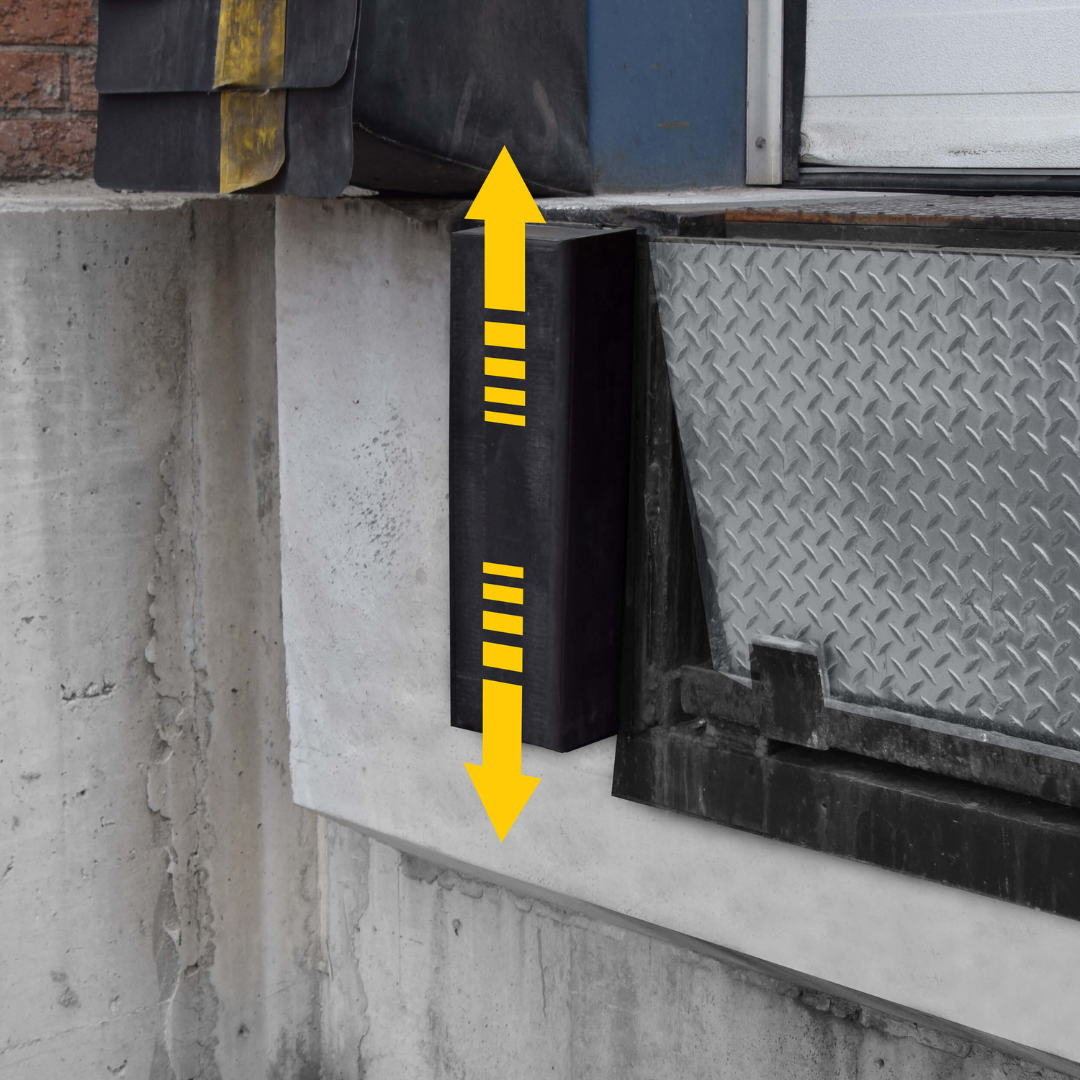
- Bumpers intact and thick enough to stop over-travel.
- Pedestrian sweep: all walkers inside marked zones; forklifts clear of the approach.
- Grade and weather: wet or sloped aprons demand slower speeds and longer stopping distances.
- Final check: brake set, engine off, keys surrendered (or clearly visible), restraint engaged, inside/outside green lights on.
What Poses a Serious Physical Danger on a Loading Dock?
- Open dock edges and gaps—especially with vertical drops to the pit.
- Unstable or top-heavy pallets that shift when forks raise them.
- Trailer up-end when heavy forklifts enter empty trailers without a trailer jack/stand.
- Carbon monoxide from internal-combustion lifts in poorly ventilated areas.
- Door spring or cable failures that can cause uncontrolled movement.
Hazards Associated with Loading and Unloading
- Pinch points between pallets, racking, and dock equipment.
- Line-of-fire exposure when cutting stretch wrap or banding.
- Overexertion from manual handling, especially during peak hours.
- Poor communication between drivers and dock teams about load condition (live load vs. drop, fragile goods, hazmat).
Mitigate with sharp knives with safety tips, team lifts or lift assists, and a brief inbound load huddle.
The Safety Checklist for Loading and Unloading
Before the trailer is entered:
- Confirm trailer at correct door; check placards and paperwork.
- Set brake, shut engine, place keys visibly (or lockbox).
- Engage vehicle restraint; verify green light inside and out.
- Inspect landing gear; deploy a trailer stand for added stability, especially on older or empty trailers.
- Inspect floor for rot, holes, or weak boards.
- Deploy dock leveler/plate; verify capacity exceeds combined load + lift.
- Turn on trailer light; confirm adequate ventilation for IC lifts.
- Check pedestrians clear; announce entry over radio if used.
During loading/unloading:
- Maintain three points of contact stepping on/off levelers.
- Keep forks low while traveling; horn at intersections.
- Never raise a load that blocks vision; use a spotter if needed.
- Keep aisle housekeeping tight—no shrink wrap snakes, no banding on the floor.
- Watch for shifting loads; re-secure with dunnage or straps.
After completion:
- Remove equipment and debris; stow leveler/plate.
- Turn off trailer light; clear personnel and forklifts.
- Release restraint only when the door is closed and the area is all-clear.
- Document any damage or near-miss.
Three Safety Requirements to Consider When Loading Components for Transport
- Securement and weight distribution: Use the right straps, chains, or load bars; center of gravity low and centered; follow trailer and component capacity ratings.
- Protection and separation: Block and brace fragile or hazardous items; use corner boards, edge protectors, and spacers to avoid crush damage and shifting.
- Clear labeling and documentation: Mark orientation (“This Side Up”), note hazmat details when applicable, and ensure BOL matches what’s in the box.
Examples of Appropriate Loading/Unloading Precautions
- Refusing to enter a trailer until both green lights confirm the restraint is engaged.
- Installing a trailer jack/stand on an empty or nose-heavy trailer before the first forklift enters.
- Replacing a frayed dock-door cable immediately instead of “after this shift.”
- Using cut-resistant gloves and a safety knife when removing banding and stretch wrap.
- Swapping wet cardboard slip-sheets that can turn into surprise banana peels.
- Setting a 10-minute spill rule and placing cones while cleanup happens.
- Switching to high-speed doors in cold zones to reduce ice and fog at the threshold.
Putting It All Together
Accidents usually trace back to the same handful of causes: unsecured trailers, poor visibility, slick surfaces, and unclear traffic patterns. Engineer the environment (restraints, lighting, guardrails), enforce simple behaviors (PPE, checklists, clear signals), and keep equipment on a real maintenance cadence. Do those three things and your dock becomes predictably safe—and faster.
If you want an extra set of eyes, DockStar Industrial can walk your dock, flag the quick wins, and recommend the right upgrades—from vehicle restraints and dock levelers to seals, shelters, guardrails, and eyewash stations. The goal is simple: fewer surprises, smoother shifts, and a crew that goes home in one piece every day.


