













4 Types Of Material Handling Equipment For Warehouses
When you step into a warehouse or distribution center, you’ll notice one thing right away: constant movement.
Pallets are coming off trucks, boxes are being sorted, parts are moving from one side of the floor to another.
Without the right equipment, all that movement would be slow, unsafe, and inefficient.
That’s where material handling equipment (MHE) comes in.
In simple terms, MHE is the gear designed to move, lift, and position materials within a warehouse or manufacturing setting.
While forklifts often get the spotlight, there’s a wide range of equipment that plays an equally important role — from pallet jacks and carts to electric tuggers and lift tables.
At DockStar Industrial, we specialize in these solutions.
In this post, we’ll cover the main categories of MHE and how each one can make your operations safer and more efficient.
Why Material Handling Equipment Matters
Before diving into the categories, let’s quickly look at why MHE is such a big deal for modern warehouses:
- Efficiency: Moving materials faster keeps workflows smooth and reduces downtime.
- Safety: The right tools reduce strain on workers and prevent injuries.
- Accuracy: Carts, lifts, and positioning equipment make it easier to handle materials without damaging products.
- Scalability: As warehouses get busier, automation-ready equipment like tuggers and powered lifts keep operations flowing.
Bottom line: investing in MHE isn’t just about convenience — it directly impacts productivity, employee safety, and your bottom line.
Pallet Jacks & Industrial Trucks

When most people picture MHE, they think of the trusty pallet jack. It’s the classic tool for moving palletized goods around the warehouse floor.
- Manual Pallet Jacks – Affordable, reliable, and easy to use. Perfect for small facilities or lighter workloads where speed isn’t as critical.
- Electric Pallet Jacks – Provide extra power for heavier loads, longer travel distances, and high-turnover operations. Operators conserve energy, and throughput increases.
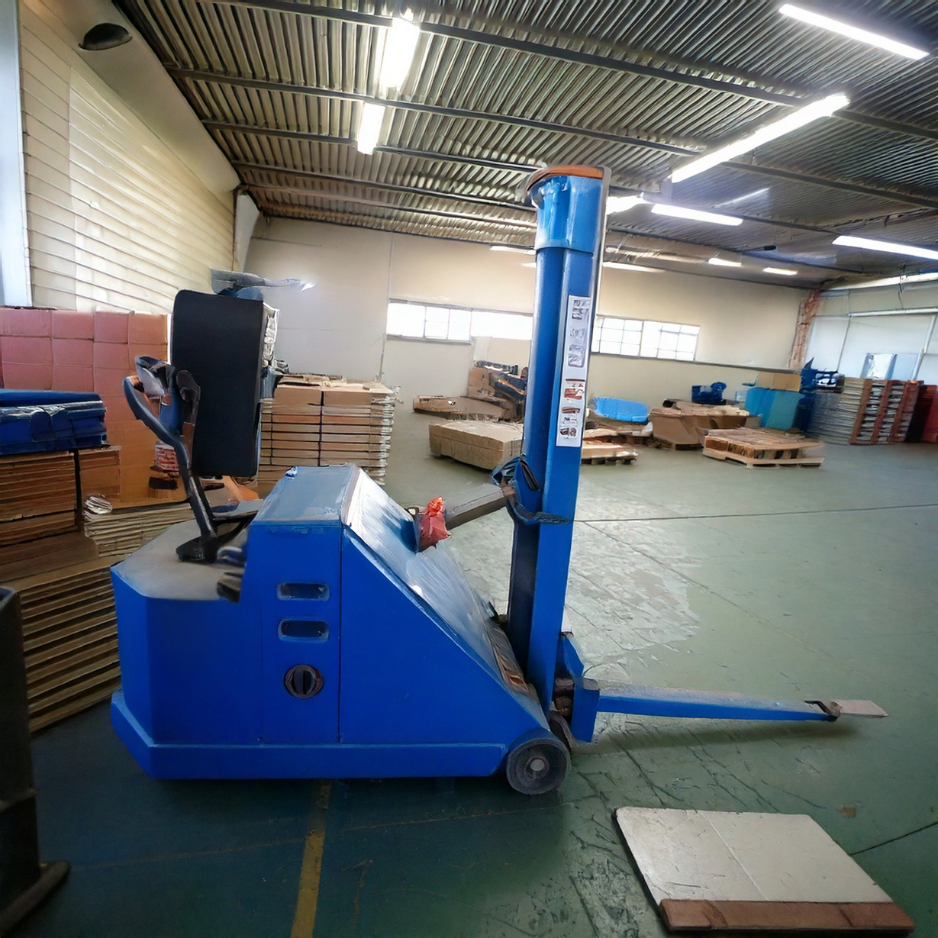
- Stackers & Counterbalanced Lift Trucks – Go beyond moving pallets horizontally. These machines are designed for vertical storage, allowing you to place pallets on racks and retrieve them safely.
👉 See DockStar’s pallet jacks and lift trucks
When to use them: If your warehouse moves a high number of palletized goods daily, pallet jacks and stackers are essential. Electric models especially pay off in larger facilities where manual labor would slow things down.
Movers & Tuggers

Forklifts aren’t always the best option when you need to move multiple loads at once. That’s where movers and tuggers come in.
- Electric Tuggers – Small but powerful machines designed to pull heavy loads with minimal effort.
- Tow Tractors & Tugger Trains – Perfect for high-volume facilities where transporting multiple carts simultaneously saves time and cuts down on forklift traffic.
👉 Explore DockStar’s movers & tuggers
Key benefit: Tuggers are safer and more efficient in many scenarios than forklifts. They minimize congestion in aisles and allow one operator to handle multiple loads at once.
Custom Heavy Duty Material Handling Carts

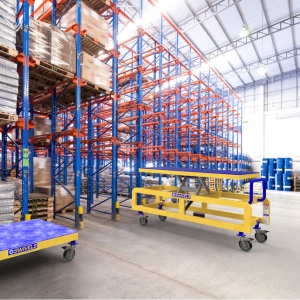
Not everything fits neatly on a pallet. Big parts, odd-shaped materials, and high-value components still have to move — safely. That’s exactly why we build custom heavy-duty Swivels carts. Each cart is engineered for your operation, built to handle serious industrial loads, and designed to keep every part organized, protected, and where it needs to be.
- Flat Top Carts – General-purpose carts with a wide range of applications.
- Cantilever Carts – Designed for long, awkward materials like pipes or panels.
- Tray & Utility Carts – Ideal for sorting and moving smaller components between stations.
- Heavy-Duty Storage Carts – Keep parts secure while still mobile.
👉 Browse DockStar’s custom carts
Why carts matter: They keep materials moving through workflows that don’t make sense for forklifts or pallet jacks. With customization options, you can design a cart setup that matches your exact process.

In-Plant Lifts & Lift Tables

Material handling isn’t just about transport — it’s also about positioning. That’s where in-plant lifts and lift tables come in. They bring heavy materials up to a safe working height, reduce bending and reaching, and protect workers from strain injuries.
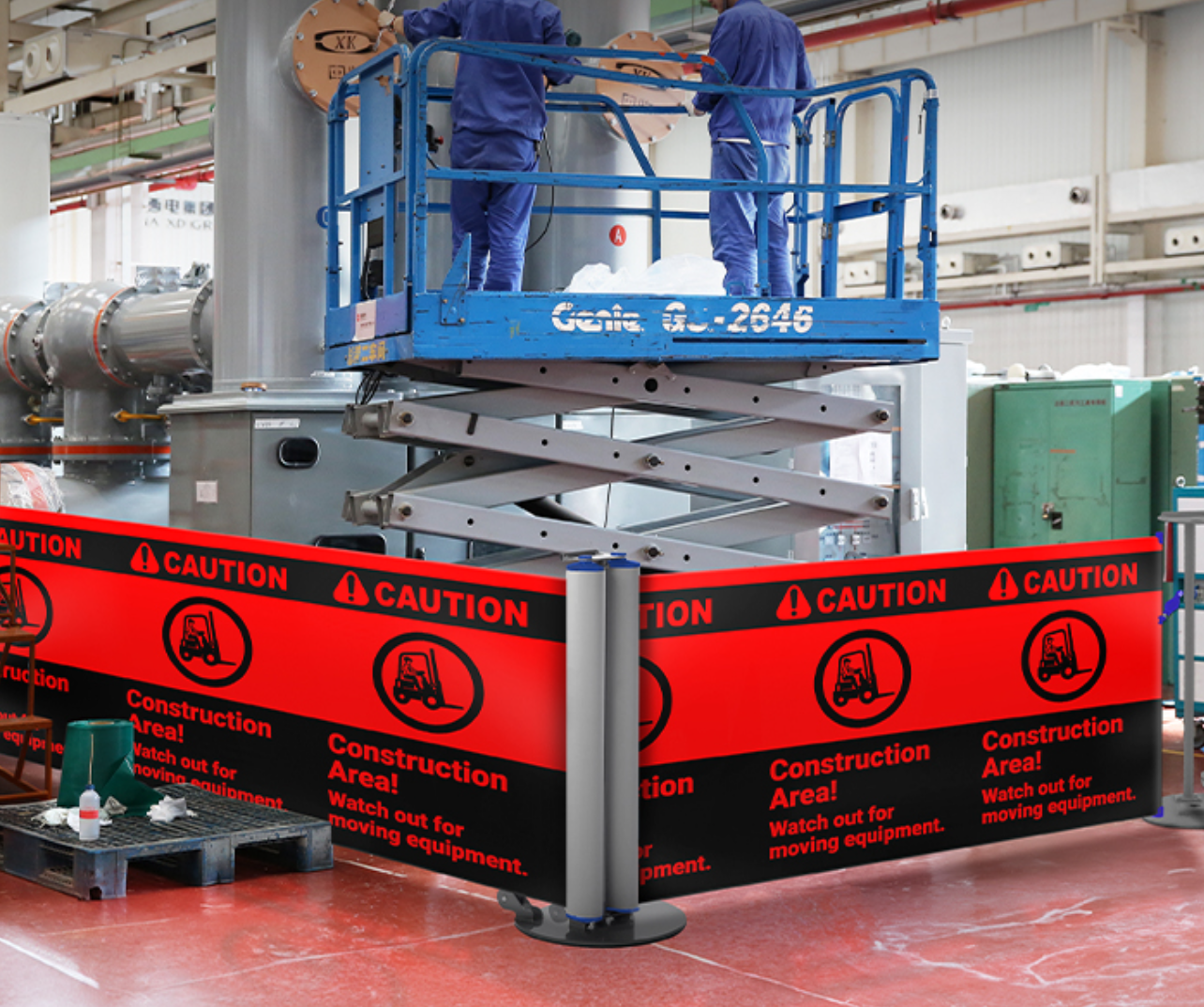
- Scissor Lift Tables – A warehouse staple for raising heavy goods to an ergonomic level.
- Mobile Lift Tables – Combine lifting power with mobility, so you can raise loads and then move them across the facility.
- Turntables & Tilt Tables – Make it easier to rotate or adjust materials during assembly or packing.
👉 Check out DockStar’s in-plant lifts
Why it matters: Ergonomics. A small investment in positioning equipment saves countless hours of lost productivity from worker injuries and fatigue.
How to Decide Which MHE You Need
Every facility is different, but here are a few things to consider before choosing equipment:
- Load types: Are you moving pallets, small parts, or long awkward materials?
- Frequency: How often are loads being moved, and how far?
- Space constraints: Do you have wide aisles or narrow ones? Vertical racking or ground-level storage?
- Operator fatigue: Electric equipment may cost more up front, but it saves energy and reduces injuries.
- Scalability: As your warehouse grows, tuggers and powered lifts may offer long-term efficiency.
FAQ: Material Handling Equipment Basics
What’s the difference between a pallet jack and a forklift?
A pallet jack is designed to move pallets a short distance, usually at ground level. A forklift can lift pallets much higher and handle larger loads but requires more space and training to operate.u003cbru003e
When should I use a tugger instead of a forklift?
Tuggers are ideal when you need to move multiple carts at once or when minimizing forklift traffic improves safety. Forklifts are better for vertical lifting and heavy, single-load handling.
Do I really need electric pallet jacks, or are manual ones enough?
For smaller operations with fewer pallets, manual jacks work fine. But in busier warehouses, electric models pay for themselves in speed, safety, and reduced labor fatigue.u003cbru003e
Can carts really be customized?
Yes — DockStar’s custom carts can be built for odd shapes, specific workflows, or heavy-duty applications. That means you don’t need to force your processes to fit “off-the-shelf” gear.
Are lift tables worth the investment?
Absolutely. They reduce workplace injuries, improve ergonomics, and keep workflows moving smoothly. Many companies find they pay for themselves quickly by preventing downtime.u003cbru003e
Wrapping It Up
Material handling equipment may not get the same spotlight as forklifts, but in reality, pallet jacks, carts, tuggers, and lifts are the backbone of warehouse efficiency. They keep materials moving, workers safe, and operations running smoothly.
At DockStar Industrial, we focus on providing equipment that does exactly that — whether you need a simple manual pallet jack, a fleet of electric tuggers, or a set of custom carts built around your workflow.


